
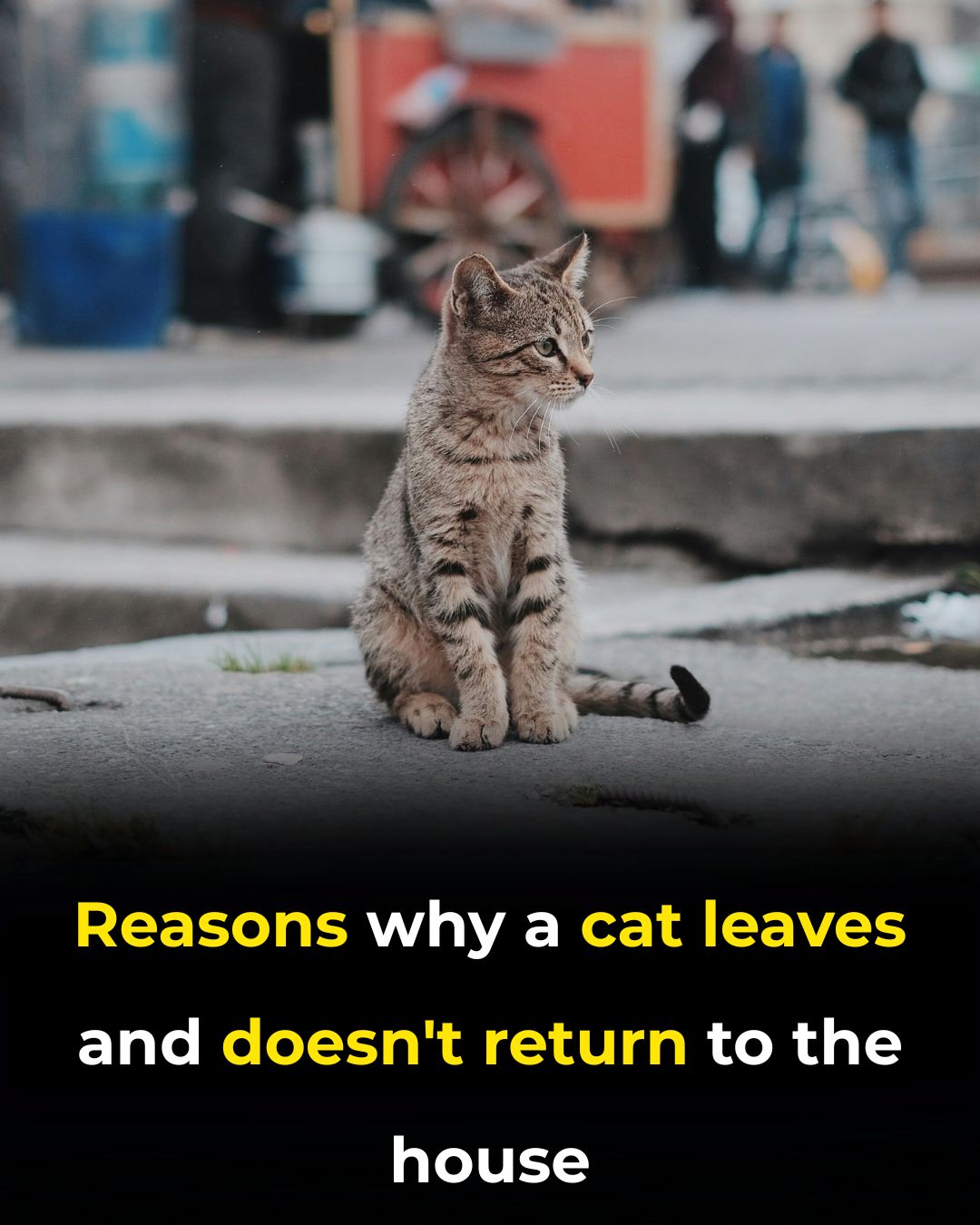
Why Cats Leave Home and Don’t Return
Why Cats Leave Home and Don’t Return
Cats are curious, independent creatures—and while that’s part of their charm, it can also be the source of stress when one suddenly disappears. If your cat has left home and hasn’t come back, or you’re worried it might, you’re not alone. Many cat owners have experienced this heartbreak.
The good news? In most cases, there are clear, understandable reasons behind a cat’s decision to leave. Understanding these motivations can help you prevent future disappearances and ensure your cat stays safe and close to home.
Let’s explore the most common reasons why cats go missing—and what you can do about it.
1. A Natural Instinct to Explore
Cats are driven by curiosity and a strong sense of territory. Even indoor-outdoor cats who are well-fed and loved may wander off simply to explore new sights, smells, and environments. For some, a backyard isn’t enough—they might travel several blocks (or more) in a single outing.
Over time, these excursions can lead them farther than they intended, and they may become disoriented, especially in unfamiliar territory.
✅ Prevention Tip:
Use a collar with an ID tag containing your phone number.
Microchip your cat for permanent identification in case the collar falls off.
Consider installing a GPS tracker if your cat is an adventurous type.
2. Mating Instincts
If your cat is not spayed or neutered, their hormones can drive them to roam in search of a mate, especially during mating season. This is more common in male cats, who may travel long distances and stay away for days at a time.
Unfortunately, this behavior often increases their risk of getting into fights with other cats, being injured, or becoming lost.
✅ Prevention Tip:
Spay or neuter your cat as early as your vet recommends. It reduces roaming behavior, lowers the risk of disease, and contributes to a calmer, more home-oriented cat.
3. Conflict or Threats from Other Animals
Cats are territorial by nature. If another cat (especially a dominant or aggressive one) is invading your cat’s space, or if there are threats from dogs or other animals, your cat may choose to leave rather than fight.
This is especially common in multi-cat neighborhoods or areas with feral cat populations.
✅ Prevention Tip:
Offer a secure indoor environment where your cat feels protected.
If outdoors, ensure safe escape routes and hiding spots, such as cat houses or covered porches.
Consider creating a catio (cat patio) for safe outdoor time.
4. Disorientation or Getting Lost
While cats are often excellent navigators, even the most experienced outdoor cat can become confused by unexpected circumstances—loud noises, moving vehicles, or blocked routes. They may be unable to find their way back or become trapped somewhere nearby.
✅ Prevention Tip:
If your cat goes missing, check local hiding spots: under decks, in garages, behind sheds, or in bushes.
Ask neighbors to check their property.
