
A loosely sealed cap allows air and bacteria to enter the milk container, increasing the risk of spoilage. After pouring milk, make sure to tightly seal the cap to keep it fresh. It’s also a good practice to wipe the rim of the container to remove any drips or residue before sealing.
7. Cross-Contamination From Other Foods Is Speeding Spoilage
Cross-contamination can occur when milk is stored near strong-smelling or perishable foods. Odors and bacteria from these foods can seep into the milk container, affecting its taste and freshness. To prevent this, keep milk away from pungent foods and ensure that containers are clean and airtight.
8. Your Glasses, Pitchers, or Reusable Bottles Aren’t Truly Clean
If you transfer milk to a different container, make sure it is thoroughly cleaned. Any residual bacteria or detergent can spoil the milk faster. Wash containers with hot, soapy water, and rinse them well before use. Also, ensure they are completely dry before adding milk.
9. You’re Ignoring the ‘Use By’ vs. ‘Best Before’ Difference
Understanding the difference between ‘use by’ and ‘best before’ dates is crucial. ‘Use by’ indicates the last date recommended for consumption, while ‘best before’ refers to when the product is at its peak quality. Consuming milk past the ‘use by’ date may increase the risk of spoilage, so always check these dates carefully.
10. Frequent Temperature Fluctuations Are Stressing the Milk
Frequent changes in temperature, such as opening the fridge door repeatedly or placing warm items inside, can shorten milk’s shelf life. Try to minimize the number of times you open the fridge and let hot items cool to room temperature before refrigerating them to maintain a stable environment.
11. You’re Falling for Questionable Viral Milk Storage Hacks
Some online hacks suggest unconventional methods for storing milk, such as adding salt or baking soda. These methods are unproven and can alter the taste and safety of the milk. Stick to tried and tested storage practices to ensure your milk remains fresh and safe to consume.
12. The Type of Milk You Buy Spoils Faster Than You Think
Different types of milk have varying shelf lives. For example, organic or raw milk might spoil faster than pasteurized milk. Be aware of the type of milk you purchase and adjust your storage and consumption habits accordingly. Also, consider purchasing smaller quantities if spoilage is a frequent issue.
Advertisement
13. Your Fridge Itself May Need Maintenance or Replacement
If you’ve tried everything else and your milk still spoils quickly, the problem might be with your refrigerator. Over time, fridges can lose efficiency or develop issues with seals or compressors. Regular maintenance checks and cleaning can help extend the life of your fridge, but if it’s old or consistently underperforming, it may be time to consider a replacement
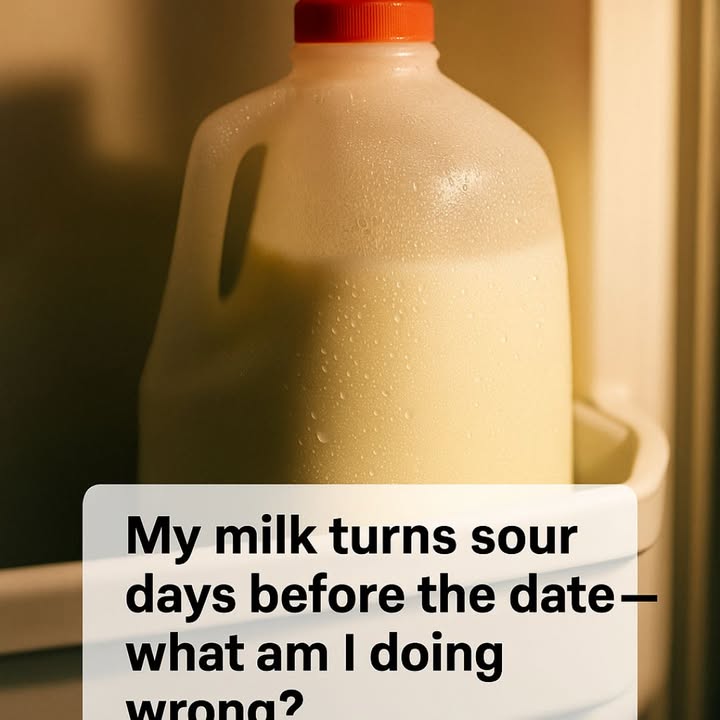
My milk turns sour days before the date — what am I doing wrong?
Pages: 1 2
