
To prevent the foam from boiling over, try using a larger pot than you think you need, as this will give the foam more space to expand without overflowing. Another trick is to reduce the heat once the water reaches a rolling boil, allowing the beans to simmer gently and thus reducing the agitation that causes foam formation.
Adding a small amount of oil, about a teaspoon, to the water can also help break down the foam. The oil acts as a surfactant, reducing surface tension and helping to keep the foam under control. Be sure to stir the beans occasionally to help integrate the oil and further minimize foaming.
7. Should You Skim the Foam Off — and Does It Change Nutrition?
Skimming off the foam is largely a matter of personal preference. While some cooks prefer to remove it for aesthetic reasons or to potentially reduce gas-inducing compounds, others simply leave it as is. Skimming the foam does not significantly alter the nutritional content of the beans.
For those concerned about reducing gas and bloating, skimming might help slightly, but the primary cause of these digestive issues is the oligosaccharides in beans, which are not fully addressed by simply removing the foam.
8. How Soaking, Rinsing, and Salt Affect Foam Formation
Soaking beans overnight before cooking can help reduce the amount of foam produced. During soaking, some of the saponins and oligosaccharides leach out into the soaking water, which can then be discarded. This step not only reduces foam but can also shorten cooking time.
Rinsing the beans thoroughly after soaking and before cooking also helps remove surface starches and saponins. Adding salt during the soaking process can help toughen the skins of the beans, further reducing foam, although opinions on whether to salt soaking water vary.
9. Gas, Bloating, and Foam: What’s Really Connected
The foam itself is not directly responsible for gas and bloating. These digestive issues are primarily caused by oligosaccharides, complex sugars found in beans that are difficult for the human digestive system to break down.
When oligosaccharides reach the colon, they are fermented by bacteria, producing gas as a byproduct. While skimming foam may slightly reduce the concentration of these compounds, the most effective way to minimize gas is to soak beans before cooking and introduce them gradually into your diet.
10. The Best Pot, Heat Level, and Lid Position for Low-Foam Beans
Using a heavy-bottomed pot with a large capacity is ideal for cooking beans, as it provides even heat distribution and reduces the risk of boiling over. Keeping the heat at a gentle simmer rather than a vigorous boil also minimizes agitation and foam production.
Cooking beans with the lid slightly ajar can help prevent foam from building up and overflowing. This allows steam to escape, reducing pressure and the likelihood of the foam spilling over.
11. When to Embrace the Foam and When to Dump the Batch
In most cases, the foam is a harmless byproduct of cooking beans and can be embraced as a natural part of the process. However, if the beans exhibit any signs of spoilage, such as an off smell or unusual color, it’s best to discard the batch to ensure safety.
Advertisement
Embracing the foam can be part of enjoying the cooking process, especially if you appreciate the science behind it. However, knowing when to discard a batch is crucial for food safety, so always trust your senses and use your best judgment.
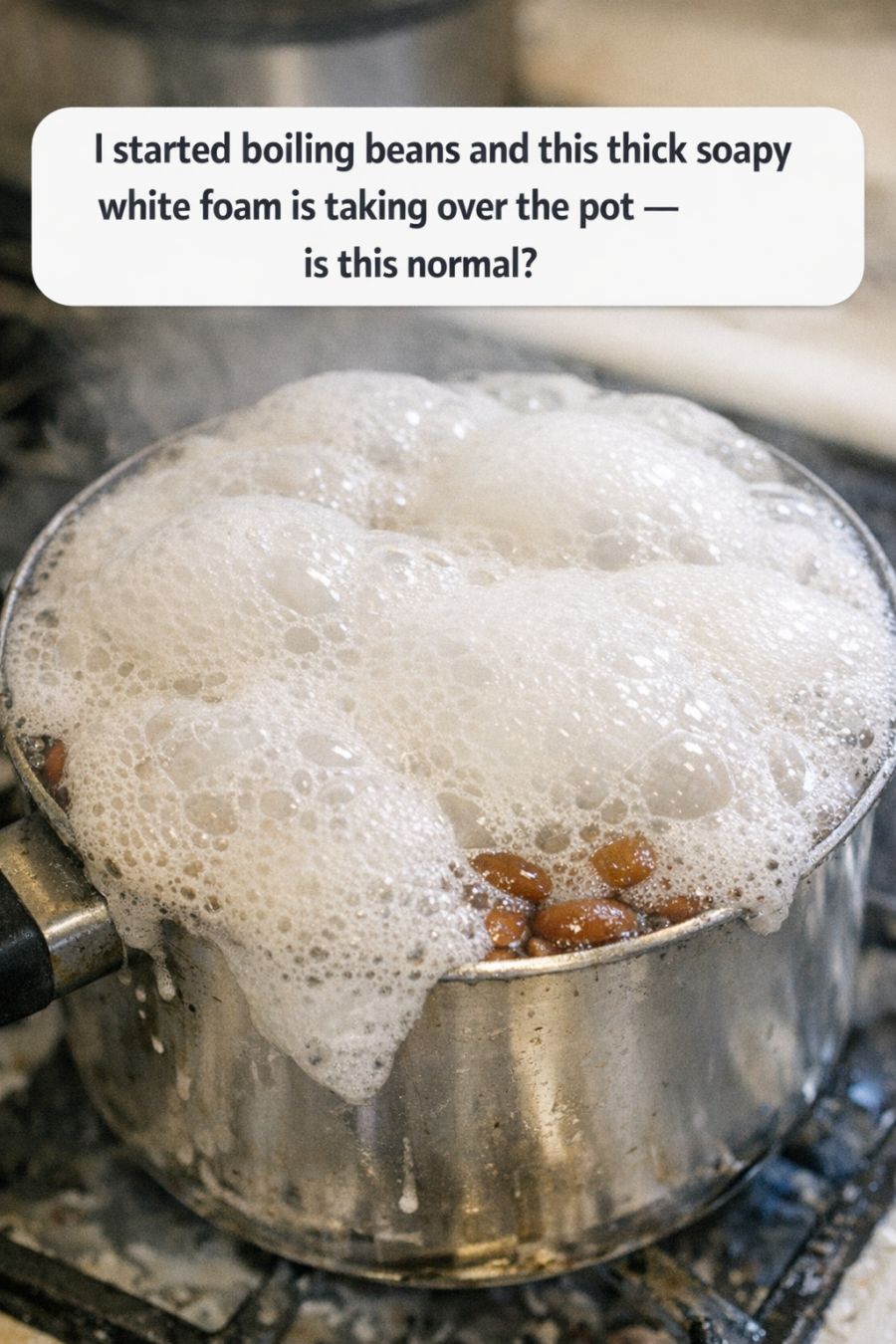
I started boiling beans and this thick soapy white foam is taking over the pot — is this normal?
Pages: 1 2
